Essential Spice Mixing Techniques for Home Chefs
- pandfprotection
- Nov 28, 2025
- 4 min read
Cooking is an art, and like any artist, a chef needs the right tools to create masterpieces. One of the most important tools in a chef's arsenal is spices. They can transform a simple dish into a culinary delight. However, knowing how to mix spices effectively can be the difference between a bland meal and a flavor explosion. In this post, we will explore essential spice mixing techniques that every home chef should master.
Understanding the Basics of Spices
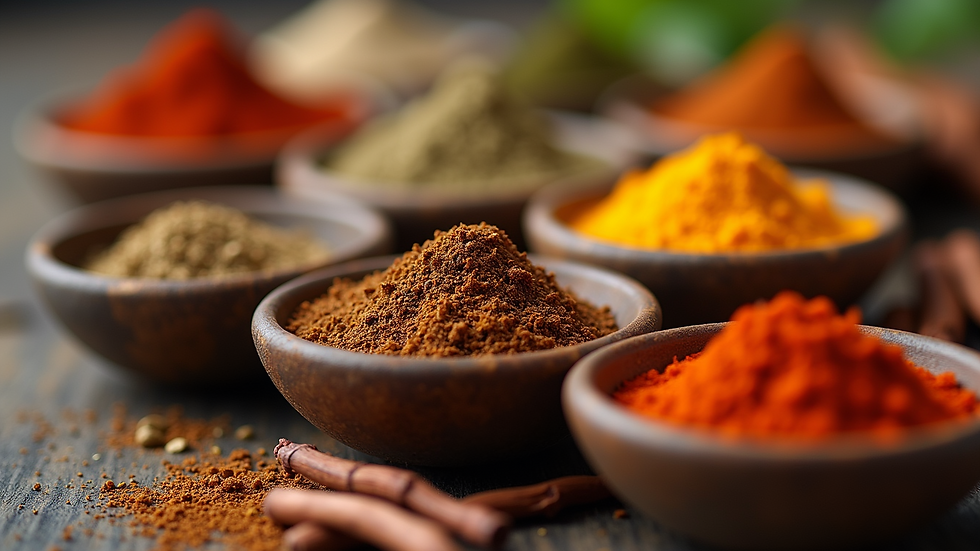
Before diving into mixing techniques, it’s crucial to understand what spices are and how they work. Spices are derived from various parts of plants, including seeds, bark, roots, and fruits. They add flavor, aroma, and color to dishes. Here are some common types of spices:
Whole Spices: These are unprocessed and retain their natural oils. Examples include cinnamon sticks and whole cloves.
Ground Spices: These are processed and ready to use. Examples include ground cumin and paprika.
Blends: These are mixtures of various spices, such as curry powder or garam masala.
The Importance of Freshness
Freshness is key when it comes to spices. Over time, spices lose their potency and flavor. Here are some tips to ensure you’re using fresh spices:
Buy Whole Spices: Whole spices last longer than ground ones. Grind them as needed for maximum flavor.
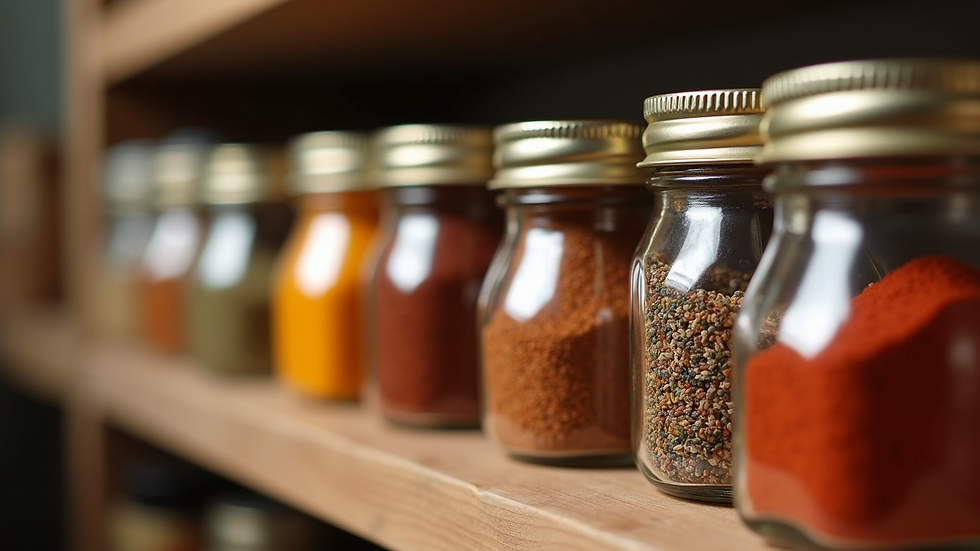
Store Properly: Keep spices in airtight containers, away from light and heat.
Check Expiration Dates: Regularly check your spice cabinet and replace any expired spices.
Techniques for Mixing Spices
Now that you understand the basics, let’s explore some essential techniques for mixing spices effectively.
1. Toasting Spices
Toasting spices can enhance their flavor and aroma. This technique releases essential oils, making the spices more potent. Here’s how to do it:
Heat a Dry Pan: Use a skillet over medium heat.
Add Whole Spices: Place whole spices in the pan and stir frequently.
Watch for Aroma: Once you start to smell the spices, they are ready. This usually takes 2-5 minutes.
Cool and Grind: Let them cool before grinding into a powder.
2. Creating Spice Blends
Creating your own spice blends allows you to customize flavors to your liking. Here are some popular blends you can try:
Taco Seasoning: Combine chili powder, cumin, garlic powder, onion powder, and oregano.
Curry Powder: Mix turmeric, coriander, cumin, fenugreek, and black pepper.
Italian Seasoning: Blend basil, oregano, thyme, rosemary, and parsley.
3. Balancing Flavors
When mixing spices, it’s essential to balance flavors. Here are some tips:
Sweet vs. Savory: Pair sweet spices like cinnamon with savory ones like cumin for depth.
Heat Levels: Balance spicy ingredients like cayenne with milder ones like paprika.
Acidity: Use acidic spices like sumac to brighten up rich dishes.
4. Experimenting with Ratios
Finding the right ratios can make or break a dish. Start with small amounts and adjust according to taste. Here’s a simple method:
Start Small: Begin with 1 teaspoon of each spice.
Taste as You Go: Add more of a spice if needed, but do it gradually.
Keep Notes: Document your ratios for future reference.
Common Spice Mixing Mistakes
Even experienced chefs can make mistakes when mixing spices. Here are some common pitfalls to avoid:
1. Overusing Strong Spices
Some spices, like cloves and nutmeg, are very potent. Using too much can overpower a dish. Always start with a small amount and adjust as needed.
2. Ignoring Cooking Methods
Different cooking methods can affect how spices taste. For example, spices can become more intense when sautéed versus when they are added to a slow cooker. Adjust your spice mixing based on your cooking method.
3. Not Considering the Dish
Always consider the main ingredients of your dish when mixing spices. For example, a delicate fish may require lighter spices, while a hearty stew can handle bolder flavors.
Practical Applications of Spice Mixing
Now that you have the techniques down, let’s look at how to apply them in your cooking.
1. Marinades
Spice blends are perfect for marinades. Combine your favorite spices with oil and acid (like vinegar or citrus juice) to create a flavorful marinade for meats, vegetables, or tofu.
2. Soups and Stews
Spices can elevate soups and stews. Start by sautéing your spice blend in oil before adding broth and other ingredients. This technique helps to release the flavors.
3. Roasting Vegetables
When roasting vegetables, toss them with a spice blend before cooking. This adds depth and flavor to your dish.
4. Baking
Don’t forget about spices in baking! Cinnamon, nutmeg, and ginger can enhance sweet dishes. Experiment with adding spices to your favorite cookie or cake recipes.
Conclusion
Mastering spice mixing techniques can elevate your cooking and impress your guests. By understanding the basics of spices, experimenting with blends, and avoiding common mistakes, you can create delicious and memorable dishes. Remember to keep your spices fresh and always taste as you go. Now, it’s time to get creative in the kitchen. Start mixing your spices and discover new flavors today!

Comments